When it comes to plumbing equipment, we often hear about taps and mixers. But what exactly is the difference between these two types of devices? In this article, we will detail their respective features, as well as how they work, to help you make the best choice for your sanitary installation.
The features of the traditional tap
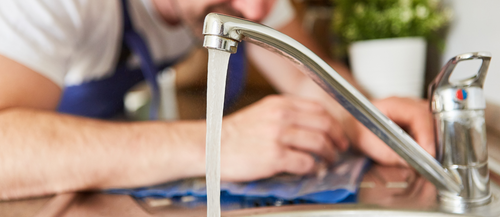
The traditional tap, also known as a mixer tap, is the oldest and most common type of tap. It usually consists of two separate taps, one to control hot water and the other cold water. The mixing of the two temperatures takes place directly at the spout.
Advantages and disadvantages of the traditional tap
The main advantage of the mixer tap is its economical aspect, as it is cheaper to buy and install. Moreover, its use is simple and intuitive, even for people not familiar with taps.
However, the mixer tap has some drawbacks, especially in terms of comfort and water consumption. Indeed, it requires manually adjusting the two taps to get the desired temperature, which can lead to water waste during adjustment. Furthermore, it is often less environmentally friendly and less water-saving compared to mixers.
The specifics of the mixer
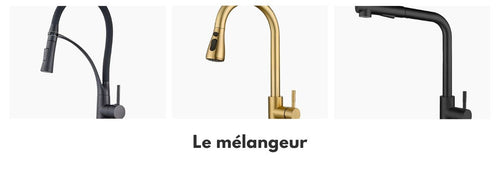
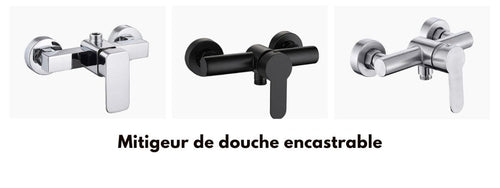
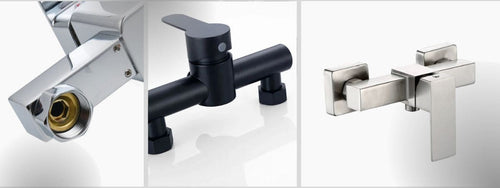
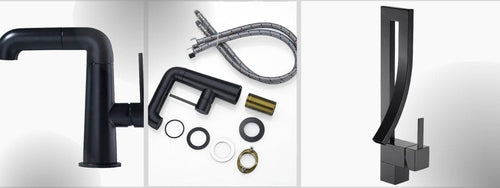
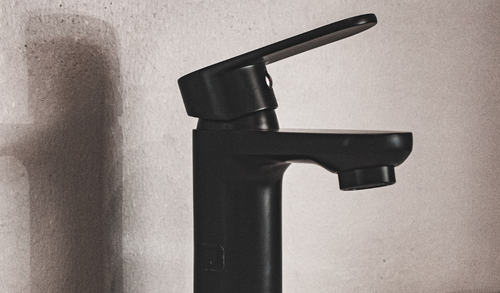
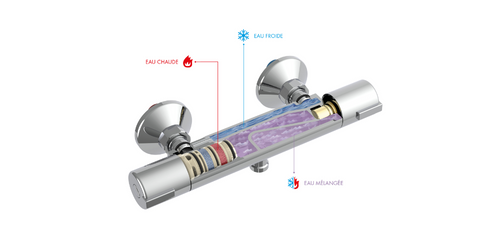
The mixer is an innovative device that allows control of the water flow and temperature with a single control. It stands out from mixer taps by its practicality and modern design. Mixers come in several variants, including thermostatic mixers and electronic mixers.
How the mixer works
A mixer generally has a single handle or lever that regulates the water flow and temperature. Moving the control to the left or right gives hot or cold water respectively, while moving it up or down adjusts the flow. This simple and quick operation allows you to get the desired temperature in the blink of an eye, without having to fiddle with two different taps.
Advantages and disadvantages of the mixer
The mixer has many advantages compared to the traditional tap:
- Practicality: thanks to a single control, it is easy to adjust the water temperature and flow. This ease of use is especially appreciated by children and elderly people.
- Water saving: by allowing quick and precise temperature adjustment, the mixer limits water waste. Some models are even equipped with an automatic water shut-off system after a certain usage time, helping to preserve water resources.
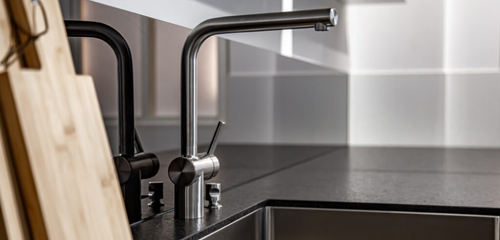
- Modern design: the mixer is often seen as more attractive and contemporary than the mixer tap, which can be an asset to modernize your bathroom or kitchen.
However, the mixer also has some drawbacks:
- Cost: it is generally more expensive to buy and install than a traditional tap, although this price difference can be offset by the water savings made.
- Risk of scalding: if the mixer control is moved too quickly or forcefully, it can cause sudden temperature changes. To avoid this, it is advisable to choose a model with anti-scald safety.
How to choose between a tap and a mixer?
To make the right choice between a mixer tap and a mixer, you will need to consider different criteria, such as:
- Your budget: if you have a small budget, the traditional tap can be an economical solution. However, it is important to consider the water savings that a mixer can offer, which could make up for the price difference in the long run.
- Intended use: depending on your habits and needs regarding temperature and flow adjustment, the mixer may be more interesting for its practical and quick use. People who have difficulty handling controls may also prefer a mixer for its ease of use.
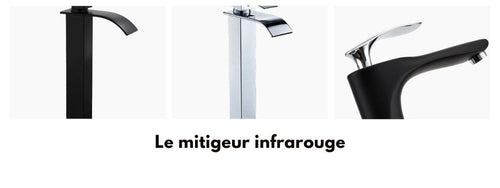
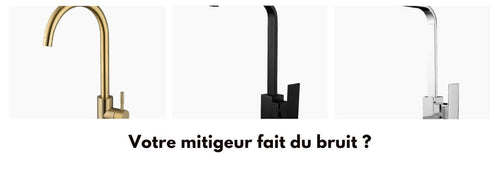
- Aesthetics: design and appearance can be important for some users. If you want to give a modern and elegant look to your bathroom or kitchen, the mixer will likely be the most suitable choice.
The choice between a tap and a mixer mainly depends on your priorities and expectations in terms of comfort, water saving, price, and design. You will need to clearly understand your needs to make the best possible choice for your sanitary installation.